
Written by the HealthyReel editorial team | Last updated: 22 November 2026
It is 1 pm, the tiffin is open, and the question comes up again: “Is this enough protein, or should I be eating something else?” For many vegetarians in India, the honest answer is that the thali already holds more protein than it gets credit for. It just helps to know which foods carry the most, and how much of each you actually eat.
The Short Answer
Dal, other pulses, paneer, soya, peanuts and milk products are the main vegetarian protein sources in India. Dal at two meals, plus paneer or a handful of peanuts, can bring a day close to the ICMR-NIN allowance of about 0.83 g per kg of body weight. Portion size matters more than the food’s name.
How Much Protein Do You Need in a Day?
The ICMR-NIN Recommended Dietary Allowances (2020) work out to about 0.83 g of protein per kg of body weight a day for adults. For a reference man of 65 kg that is about 54 g. For a reference woman of 55 kg it is about 45.7 g. Your own number depends on your weight, age and health, so treat these as a yardstick, not a prescription. If you have a kidney condition, diabetes or are pregnant, your doctor or dietitian should set the target.
Common Indian Vegetarian Protein Foods Compared
The table below uses values from the Indian Food Composition Tables 2017 (ICMR-NIN). These are for raw food per 100 g. Dal soaks up water when cooked, so a cooked katori holds less protein than the same weight of dry dal. Harvard’s Nutrition Source puts one cup of cooked lentils at roughly 18 g of protein, which is a handy cooked figure to remember.
| Food (raw, 100 g) | Protein (g) | Everyday equivalent |
|---|---|---|
| Soybean | 35.6 | For soya chunks, check the pack label |
| Masoor dal | 24.4 | About half a cup of dry dal |
| Moong dal | 23.9 | Base for chilla or khichdi |
| Groundnut (peanut) | 23.7 | A small handful is about 25 g |
| Urad dal | 23.1 | Idli and dosa batter, dal makhani |
| Toor dal | 21.7 | Everyday sambar and dal |
| Chana dal | 21.6 | Dal, sundal, besan-based dishes |
| Rajmah | 19.5 | Rajma-chawal |
| Paneer | 18.9 | A palm-sized slab is about 80 g |
| Wheat atta | 10.6 | One roti is about 35 g of atta |
| Cow’s milk | 3.3 | A tall glass (200 ml) gives about 6.5 g |
Notice that wheat is not a “zero protein” food. Two rotis give about 7 g, which adds up across a day.
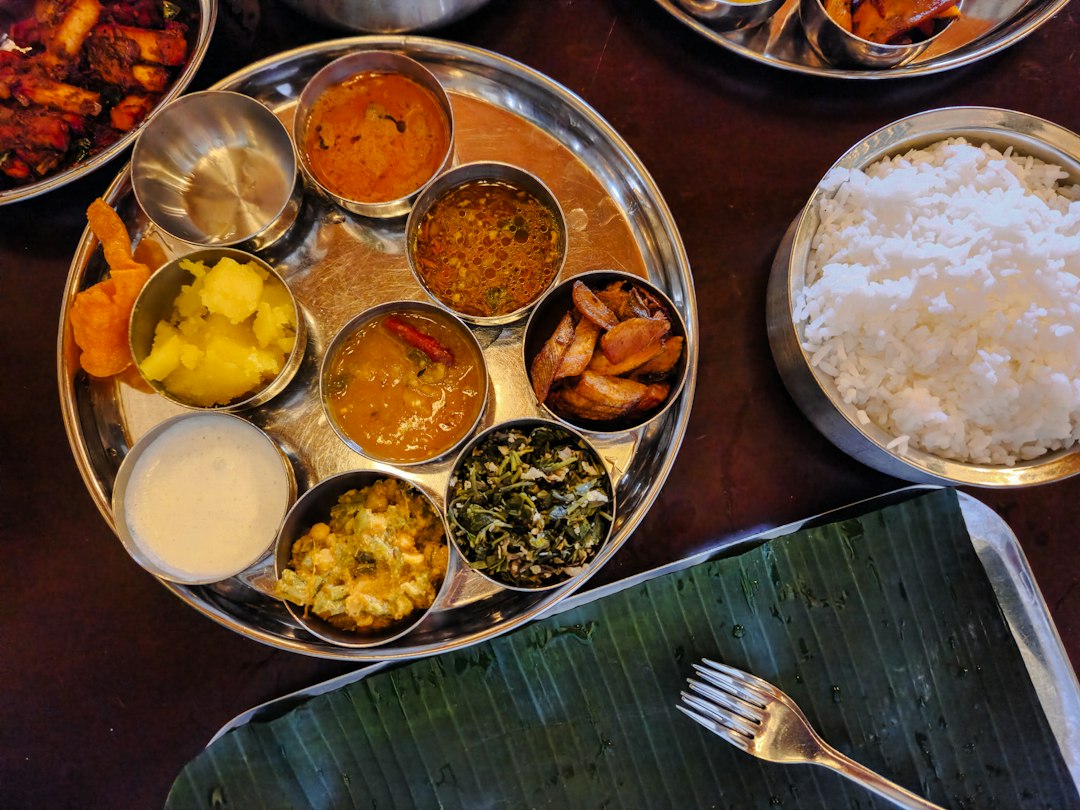
A Sample Day of Vegetarian Protein
This is an illustration, not a diet plan. Weights are raw (dry) weights, calculated from the IFCT 2017 values above.
| Meal | What | Approx. protein |
|---|---|---|
| Breakfast | Moong dal chilla (40 g dry dal) and a glass of milk (200 ml) | 16 g |
| Lunch | Toor dal (50 g dry, roughly a quarter cup) with two rotis (70 g atta) | 18 g |
| Snack | Roasted peanuts (25 g) | 6 g |
| Dinner | Paneer sabzi (80 g) with one roti (35 g atta) | 19 g |
| Total | about 59 g |
That is a little above the 54 g reference figure for a 65 kg man and well above the 45.7 g for a 55 kg woman, and it comes entirely from ordinary home food. Vegetables, curd and rice would add a bit more.
A Quick Checklist for Building Protein into Meals
- Put a pulse, dal or legume on your plate at both lunch and dinner.
- Add a milk product, such as curd, buttermilk or paneer, once or twice a day if you eat dairy.
- Use a handful of peanuts or roasted chana as a snack in place of packaged biscuits.
- Read the label on soya chunks, sattu or protein-fortified products, because values differ by brand. Our guide to reading food labels in India explains serving sizes.
- Rotate dals through the week rather than eating one kind daily.
Where Protein Fits in the Whole Plate
Protein is one piece of a meal. A balanced diet also needs vegetables, fruit, whole grains and sensible fats, and the same dal that gives you protein also brings fibre. If you are cutting out all animal foods, our guide to a vegan diet covers the wider planning questions, and our meal prep guide helps with cooking dal and pulses ahead for busy weekdays.
Frequently Asked Questions
Is dal a complete protein source on its own?
Dal supplies a good amount of protein per serving, but it is one food among many. A varied plate of pulses, grains, vegetables and, if you eat them, dairy products is the usual way to build a day’s protein.
Is raw or cooked weight used on food labels and tables?
Food tables like IFCT list raw weight, while a katori of cooked dal holds more water and so less protein per gram. Check which one a table or label is using before comparing.
Do vegetarians in India need protein powder?
Many people reach their needs through meals alone, as the sample day shows. If you are thinking about a supplement, speak to a doctor or registered dietitian, particularly if you have a health condition.
Which is higher in protein, paneer or dal?
Per 100 g raw, most dals (about 22 to 24 g) are above paneer (about 19 g). In the kitchen, though, the portions differ, so compare by what you actually eat.
Sources
- ICMR-NIN, Nutrient Requirements for Indians: Recommended Dietary Allowances (2020), brief note
- ICMR-NIN, Indian Food Composition Tables (IFCT 2017)
- Harvard T.H. Chan School of Public Health, The Nutrition Source: Protein
Photos: Unsplash (Mario Raj; Zoshua Colah).
Disclaimer: This article is for general education and is not medical advice. Read how we work in our editorial policy and our medical and health disclaimer. Talk to a qualified healthcare professional about your own nutrition needs.


